

One laser, more than fifteen skin concerns, and a session that fits inside a lunch break. The Aerolase laser has quietly become one of the most used devices at our Marylebone clinic, and it is still hard to find a plain answer to the three questions people actually have: what does it treat, does it hurt, and what does it cost.
The Aerolase laser is a 650 microsecond skin laser used to treat acne, rosacea, pigmentation, visible veins and uneven skin tone, and to support facial rejuvenation. At Halcyon Medispa, 2 Hinde Street, Marylebone, London W1U 2AZ, every Aerolase laser treatment starts with an assessment by our Medical Director, Dr Osman Bashir Tahir, or a clinician working to his protocols, so the settings match your skin rather than a preset. The Aerolase facial is £250 a session on our published price list, and the patch test beforehand is complimentary.
In this guide:
- What the Aerolase laser is
- What the Aerolase laser treats
- What it is realistic to expect, concern by concern
- Why the 650 microsecond pulse matters on darker skin
- What happens during a session
- Does it hurt, and is there downtime?
- Results, and how many sessions you need
- What Aerolase costs in London
- Aerolase against the other options here
- What Aerolase will not do
- Who it suits, and who it does not
- Preparing for treatment, and aftercare
- Frequently asked questions
The short answer: Aerolase delivers laser energy in pulses lasting 650 microseconds, short enough to reach pigment, blood vessels or acne bacteria before heat spreads into the tissue around them. That is why one device covers acne, rosacea, redness, brown spots, spider veins, ingrown hairs, unwanted hair and general rejuvenation, and why it can be used across skin types. A session runs about 40 minutes with no anaesthetic, the guide course is four to six sessions two weeks apart, and it is £250 a session at our Marylebone clinic.

What the Aerolase laser is
Aerolase is a medical grade laser that delivers its energy in pulses lasting 650 microseconds. That number is the whole design. A pulse that short puts the energy into its target, whether that is pigment, a blood vessel or the bacteria involved in acne, and is finished before much heat has time to spread sideways into the surrounding skin.
The practical consequences are the reason the device gets used so often. Less heat spreading outward means less discomfort during the session, so no numbing cream is needed. It also means less risk of provoking the surrounding skin, which is the problem that limits many older lasers on richer skin tones.
Because the settings are adjustable, the same head can be tuned for an active breakout one hour and sun damage the next. The machine does not change. The plan does. You can see the rest of our equipment on the technology page.
650 microseconds is not marketing. It is the reason the treatment is comfortable, and the reason it can be used on skin that other lasers cannot.
What the Aerolase laser treats
Aerolase treats acne and acne scarring, rosacea and facial redness, pigmentation including brown spots and uneven tone, spider and facial veins, ingrown hairs, unwanted hair, and general skin rejuvenation including mild laxity. In the clinic the concerns we use it for fall into four groups:
- Breakouts and their aftermath: active acne including blackheads, whiteheads, pimples, cysts and nodules, plus the marks and scarring left behind.
- Redness and visible vessels: rosacea and facial redness, spider veins and small facial veins.
- Pigment and tone: brown spots, age spots, sun damage and uneven skin tone.
- Texture, hair and rejuvenation: ingrown hairs, unwanted hair, enlarged pores, overall texture and firmness.
If pigment is the main thing you want gone, our guide to age spots on the face compares every option in the clinic, with prices, downtime and who each one suits.
That range is genuinely useful when somebody arrives with two problems at once, which most people do. Redness alongside congestion is the commonest pairing we see, and treating both with one device beats booking two different courses.
What it is realistic to expect, concern by concern
Versatility is not the same as being equally good at everything. Here is our honest read on where Aerolase is a first choice and where it is a supporting act.
| Concern | How Aerolase works on it | Realistic expectation |
|---|---|---|
| Active acne | Heat targets the bacteria and calms the oil glands | Strong. Usually a visible reduction in breakouts across a course |
| Post-acne marks | Breaks up the residual pigment | Good on the brown marks. Less on indented scars, which need microneedling |
| Rosacea and redness | Targets haemoglobin in the dilated vessels | Strong for the vessels. The underlying condition still needs managing |
| Spider and facial veins | Coagulates the vessel so the body clears it | Very good on small, defined vessels |
| Brown spots and age spots | Fragments the pigment so the skin carries it away | Strong on defined spots. Widespread pigment may need a peel protocol |
| Uneven tone and dullness | Even passes across the whole area | Moderate. A carbon laser facial or peel is often better value here |
| Ingrown hairs and unwanted hair | Targets the pigment in the follicle | Good, and safer on darker skin than most hair lasers |
| Mild laxity | Heat stimulates collagen over months | Modest. Real sagging needs HIFU or a surgical opinion |
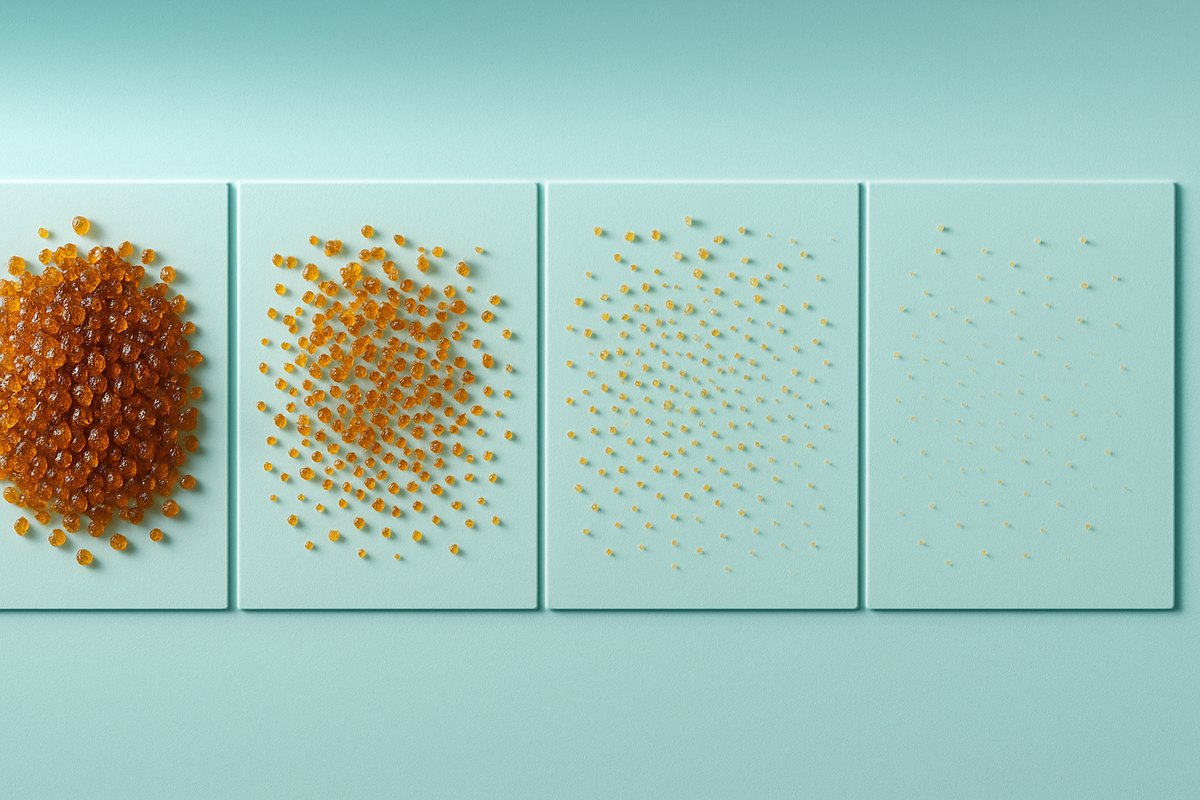
Why the 650 microsecond pulse matters on darker skin
This is the part that gets skipped, and it is the part that matters most to a lot of Londoners.
Any laser aimed at pigment has the same problem: the pigment in a brown spot and the pigment in the skin around it are the same substance. A device that dwells too long on its target heats the surrounding melanin as well, and in richer skin tones that can leave a lighter or darker patch where the treatment was. It is why so many people with skin of colour are told to avoid laser altogether.
A very short pulse changes the arithmetic. The energy is deposited and gone before the surrounding melanin has absorbed much of it, which is why Aerolase is described as suitable across skin types on its own treatment page and why we use it where we would not use something older. That is not a licence to skip caution: a patch test is done first, it is complimentary here, and the settings are chosen by a clinician rather than pulled from a preset.
What happens during a session
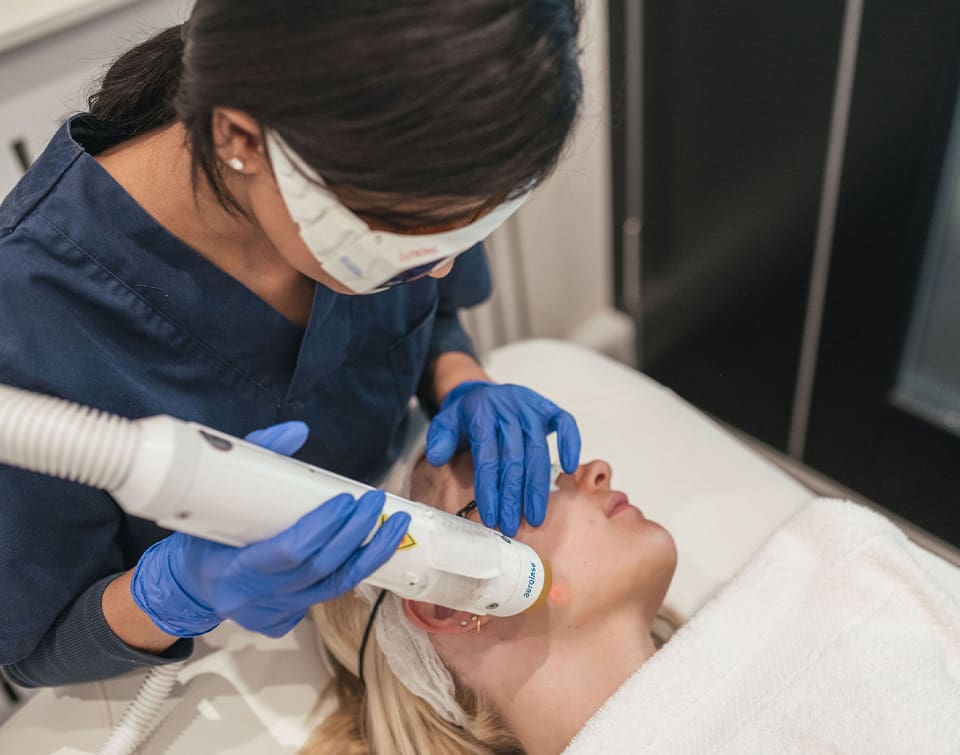
You arrive with clean skin and no makeup. Your practitioner selects settings for your skin type and your concern, then moves the handheld device across the treatment area in overlapping passes, delivering controlled pulses. The skin absorbs the energy through its melanin and haemoglobin, which is how the laser reaches pigment, vessels or acne bacteria without breaking the surface at all.
Beyond clearing the immediate target, the heat prompts collagen production, which is why a course tends to improve texture and firmness as a side effect rather than only fading spots or redness.
A standard session is around 40 minutes. There is no numbing cream, no dressing and no recovery room stage.
Does it hurt, and is there downtime?
Most people describe warmth and a light snapping sensation rather than pain. No anaesthetic is used. Afterwards it is normal to see temporary redness, mild swelling or slight tenderness in the treated area, settling within a few hours for most people and occasionally taking a day or two depending on the concern and how reactive your skin is.
There is no peeling phase and nothing to hide, which is the main reason people choose it over a peel.
One honest caveat about pigment work: treated brown spots often look darker for several days before they flake or fade. That is the fragmented pigment travelling to the surface. It is the treatment working, and it is why we ask you not to book a session in the week before an event.
Results, and how many sessions you need
Early changes usually show within a few days, then build as the skin recovers and collagen regenerates. Most concerns need a course. Our published guide is four to six sessions two weeks apart, with the exact number confirmed at consultation and reviewed as you go.
| When | What is happening | What you notice |
|---|---|---|
| Day of treatment | Energy delivered, target heated | Warmth and redness, settling over hours |
| Days 3 to 10 | Pigment fragments surface, vessels clear | Treated spots darken then flake or fade. Redness looks calmer |
| Weeks 1 to 2 | Skin settles between sessions | First honest read on how much has shifted |
| Across the course | Each session reaches what the last did not | Steady, cumulative change rather than one dramatic jump |
| After the course | Collagen continues maintaining for months | Clearer, more even skin, held or lost depending on sun protection |
What Aerolase costs in London
At Halcyon Medispa the Aerolase facial treatment is £250 a session, as listed on our treatment prices page. Consultation is £200 with Dr Osman Bashir Tahir, £100 with an aesthetic physician and complimentary with an aesthetician. The laser patch test is complimentary.
Because most people need a course, the number that matters is the course cost rather than the session price, and we map that out at consultation before anything is booked. For comparison against the other laser options on the same price list:
| Laser treatment here | Price per session | What it is for |
|---|---|---|
| Laser toning facial | £100 | Gentle, gradual brightening of superficial pigment |
| Carbon laser facial | £150 | Overall tone and congestion together, no downtime |
| Aerolase facial | £250 | Targeted work on acne, redness, vessels and defined pigment |
| Halcyon Aeropeel facial | £350 | Aerolase combined with a peel in one appointment |
| Laser bleaching facial | £80 | Lightening dark body hair rather than skin pigment |
The full list, including finance, is on the prices page.
Aerolase against the other options here
The right question is rarely whether Aerolase is good. It is whether it is the best of the things on offer for your particular concern.
| If your main concern is | We would usually reach for | Why |
|---|---|---|
| Active acne with redness | Aerolase | One device handles the bacteria and the inflammation together |
| A few defined brown spots | Aerolase | Direct, precise, and no whole face protocol to pay for |
| Widespread or hormonal pigment | A depigmenting peel protocol | Suppressing melanin production beats chasing individual marks |
| Dull tone with clogged pores | Carbon laser facial at £150 | Cheaper and better suited to a whole face brightening job |
| Indented acne scarring | Dermapen microneedling from £170 | Texture needs collagen remodelling, not pigment clearance |
| Sagging along the jaw | Ultracel Q+ HIFU | Laxity is a depth problem that a skin laser cannot reach |
More on those alternatives in our guides to the laser carbon peel, which concerns a chemical peel treats, getting rid of blackheads and how long HIFU lasts.
What Aerolase will not do
- It will not lift a jawline. Heat at skin level improves quality, not support. Descent is a different problem with different answers.
- It will not fill a volume loss. Hollow temples and flattened cheeks are a filler or biostimulator conversation.
- It will not flatten an indented scar. It fades the colour left by acne. The dip in the surface needs microneedling or a resurfacing plan.
- It will not cure rosacea. It clears the visible vessels well. The condition itself still needs triggers managed and skincare that does not provoke it.
- It will not hold a result you do not protect. Every pigment result depends on daily broad spectrum sunscreen afterwards.
Who it suits, and who it does not
It suits someone with more than one concern at once, someone who cannot take visible downtime, and anyone with a richer skin tone who has been turned away from laser elsewhere. It is also the sensible first laser for people who are nervous, because there is no anaesthetic and nothing to hide afterwards.
It is not the right call if your only complaint is general dullness, where a £150 carbon laser facial does the same job for less. It is not right if the problem is sagging rather than skin quality. And it is not right in the three weeks after a sunny holiday, because treating recently tanned skin raises the risk of a pigment reaction. We will ask, and we will move the appointment.
If you are pregnant or breastfeeding, we would wait. Pigment behaves unpredictably while hormones are shifting.
Preparing for treatment, and aftercare
- For three weeks before: no sun exposure and no sunbeds, and wear broad spectrum SPF daily.
- On the day: arrive with thoroughly cleansed skin and no makeup.
- Straight after: keep skincare gentle, skip acids and retinoids for a few days, and keep the area out of direct sun.
- If pigment darkens: leave it entirely alone. Picking a flaking spot is how you turn a treated mark into a lasting one.
- Between sessions: daily sunscreen, which protects both your skin and the result you are paying for.
Frequently asked questions
Is the Aerolase laser painful?
No anaesthetic is needed. Most people describe warmth and a light snapping feeling during the pulses rather than pain. The 650 microsecond pulse delivers its energy before heat builds up in the surrounding tissue, which is what keeps the sensation manageable.
What skin concerns can Aerolase treat?
Acne in most of its forms, post-acne marks, rosacea and facial redness, spider and facial veins, brown spots and age spots, uneven skin tone, enlarged pores, ingrown hairs, unwanted hair and general rejuvenation including mild laxity. The consultation confirms whether it is the right tool for your particular concern or whether something else here would serve you better.
Is Aerolase safe on darker skin tones?
It is used across skin types at our Marylebone clinic, and the reason is the pulse length. At 650 microseconds the energy reaches its target before much heat spreads into the surrounding melanin, which is the mechanism behind most pigment complications on richer skin. A complimentary patch test is still done first and the settings are set by a clinician, never by a preset.
How long does an Aerolase session take?
Around 40 minutes. There is no numbing cream and no recovery stage, so the appointment fits inside a working day.
How many Aerolase sessions will I need?
Our published guide is four to six sessions spaced two weeks apart. The exact number depends on the concern and how your skin responds, and it is confirmed at consultation and reviewed as the course progresses.
Is there any downtime after Aerolase?
Very little. Temporary redness, mild swelling or slight tenderness can appear and usually settles within hours, occasionally over a day or two. There is no peeling phase. Treated brown spots do often darken for several days before they fade, which is normal and is the pigment clearing.
How much does Aerolase cost in London?
The Aerolase facial treatment is £250 a session at Halcyon Medispa, 2 Hinde Street, Marylebone. Consultation is £200 with Dr Osman Bashir Tahir, £100 with an aesthetic physician and complimentary with an aesthetician, and the laser patch test is complimentary. Where a course is planned, the full cost is set out before anything is booked.
Aerolase or a carbon laser facial: which should I book?
It depends on the job. Aerolase is the targeted option for acne, redness, visible vessels and defined brown spots. The carbon laser facial, at £150, is better value when the complaint is general dullness and congestion across the whole face. If you want both in one appointment, the Halcyon Aeropeel facial combines them at £350.
Can I have Aerolase after a holiday?
Not straight away. Recently tanned skin holds more pigment at the surface, which raises the risk of an uneven result, so we ask for three weeks without sun exposure or sunbeds before treatment. It is a question we always ask, and we will move an appointment rather than treat tanned skin.
Will Aerolase help with acne scarring?
It helps with the brown marks acne leaves behind, which is what most people mean by scarring. It does not lift an indented scar, because that is a texture problem rather than a pigment one. Those respond better to microneedling, and the two are often planned in sequence.
Ready for clearer, calmer skin?
Lasers reward judgement more than they reward specification. Which concern to treat first, which settings suit your skin and when a different treatment would serve you better are the decisions that determine the result. At Halcyon Medispa, 2 Hinde Street, Marylebone, London W1U 2AZ, every laser plan is set by our Medical Director and starts with an assessment rather than a preset. Our patient journey page walks through what a first visit involves, and this piece explains how a medical clinic differs from a salon.