
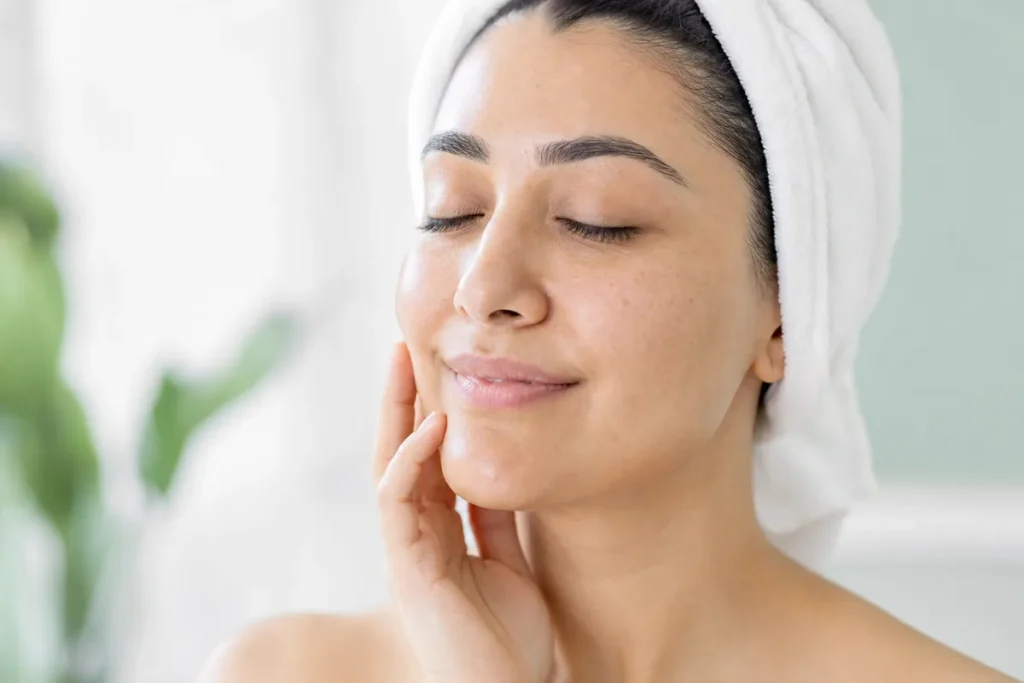
No downtime, no needles, and a glow you can see in the mirror before you leave. This is a clear guide to what a HydraFacial actually does, how long the results last, and what decides whether that is one week or one month.
A HydraFacial is a multi step facial that cleanses, gently exfoliates, extracts impurities and floods the skin with hydrating serums in a single session. At Halcyon Medispa, an aesthetic clinic in Marylebone, London, it is one of the most requested treatments for a fast, visible result with nothing to hide afterwards. Full treatment details are on our HydraFacial in London page. Here is what it does, step by step, and how to make it last.
The short answer: the glow from a single HydraFacial typically lasts around five to seven days, and the deeper benefits to congestion and texture build over a course of monthly sessions. How long yours lasts depends on your skin type, how hydrated you keep it, whether you use sun protection daily, and how often you repeat the treatment.
In this guide:
- What a HydraFacial actually does
- Results, and how long they last
- Week by week: what to expect after a session
- How often you should have one
- HydraFacial vs a classic facial
- How it compares with other treatments
- What a HydraFacial will not do
- Who it suits
- Preparing for your first session
- Why the clinic you choose matters
- Aftercare: making the glow last
- Frequently asked questions
What does a HydraFacial actually do?
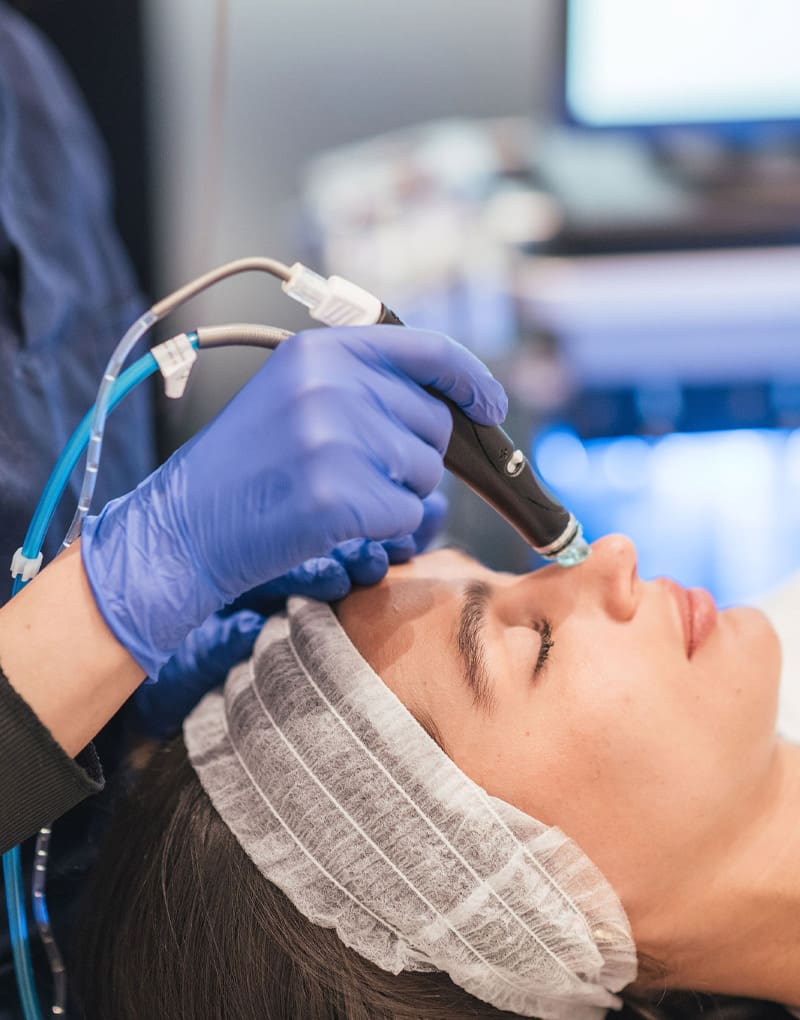
A HydraFacial uses a patented vortex device to deep clean and hydrate the skin in one sitting. It removes dead skin cells and debris, clears congested pores with painless suction, then infuses the fresh skin underneath with antioxidant and hyaluronic acid serums. Unlike stronger resurfacing treatments, it does all of this without needles, harsh abrasion or recovery time, which is why it has become the go to maintenance treatment for busy London skin.
Step 1: Cleanse and peel
The treatment starts with a deep cleanse and a gentle resurfacing solution that loosens dead skin cells without the sting of a traditional peel. Think of it as clearing the surface so everything that follows can actually reach your skin rather than sitting on top of yesterday's buildup.
Step 2: Extract and hydrate
The vortex tip works like a painless vacuum, lifting blackheads and impurities out of the pores while pushing moisture in. No squeezing, no pressure marks, and no dreading the extraction stage. This is usually the part patients say they cannot believe was so comfortable.
Step 3: Fuse and protect
Finally, the skin is saturated with antioxidants, peptides and hyaluronic acid to lock in hydration and support a healthy skin barrier. Depending on your skin's needs, your practitioner can tailor booster serums at this stage, for example brightening or calming blends, chosen during your consultation rather than taken off a shelf.
One session. Three stages. A glow you can see before you leave the clinic.
What results can you expect, and how long do they last?
Most people notice brighter, smoother, more hydrated skin immediately after a single session, which is why the HydraFacial is a favourite before events. The glow typically lasts around five to seven days, and with regular monthly sessions many patients find tone, texture and congestion improve steadily over time.
The word typically is doing real work in that sentence. A single session on well hydrated skin that is protected from the sun and supported with a sensible routine can look good for a fortnight. The same session on dehydrated, congested skin that goes straight back to heavy makeup and no sunscreen can fade in three or four days. The treatment sets the ceiling. Your habits decide where within it you land.
If you are booking ahead of a wedding, a shoot or a big evening, aim for your session two to three days before the date. That gives any short lived redness time to settle completely and lets the hydration fully express itself, so skin looks its best exactly when you need it to.
Week by week: what to expect after a session
| When | What you will notice |
|---|---|
| Straight after | Brighter, smoother skin and a visible glow. Occasional mild redness that settles within a few hours. |
| Day 1 to 2 | Peak result. Makeup sits better, texture feels refined, pores look cleaner. |
| Day 3 to 5 | Hydration remains high. This is where daily sunscreen and moisturiser make the clearest difference. |
| Day 6 to 10 | The immediate glow softens back towards your baseline, though skin usually still feels smoother than before. |
| Week 3 to 4 | Pores begin to refill and surface cells build up again. The usual point to book the next session if you are working on congestion. |
| After 3 to 6 monthly sessions | Cumulative change in tone, texture and congestion rather than a single session lift. |
Good to know: there is no downtime. Some people have slight, short lived redness, but most return to their day straight away. It is worth keeping the skin free of heavy makeup for the rest of the day to let it settle.
How often should you have a HydraFacial?
For a one off glow before an event, a single session works well and needs no commitment. For lasting change, frequency matters more than intensity.
- Every four to six weeks is the usual rhythm for skin that is congested, dull or dehydrated, because it matches the natural cycle of surface cell turnover.
- Every eight to twelve weeks is often enough once your skin has settled, as maintenance.
- Two to three days before an event for a single pre event session, whether or not you have a regular schedule.
- More often than monthly rarely adds anything, because the pores need time to refill before there is something useful to clear.
Frequency is confirmed at consultation rather than sold as a fixed package. Current offers, where a course is the sensible route, are listed on our packages and offers page.
HydraFacial vs a classic facial: what is the difference?
A traditional facial relies on manual cleansing, steam and hands on extraction, and results depend heavily on the therapist's technique on the day. A HydraFacial standardises the deep clean stages through the vortex device, so exfoliation depth, suction and serum delivery are consistent every single time, then leaves the tailoring to the serums chosen for your skin.
- Consistency: device controlled stages mean the same depth of clean at every visit.
- Comfort: vortex suction replaces manual squeezing, so extractions do not hurt or leave marks.
- Hydration: serums are infused into freshly cleared skin rather than applied on top of it.
- Time: visible results in well under an hour, with nothing to hide afterwards.

How a HydraFacial compares with other treatments
The most useful way to choose is by what you want changed, not by which treatment sounds strongest. These are the options most often considered alongside a HydraFacial at our Marylebone clinic.
| Treatment | Best for | Downtime | Result appears |
|---|---|---|---|
| HydraFacial | Congestion, dullness, dehydration, a fast pre event glow | None | Immediately |
| Chemical peel | Pigmentation, texture and turnover | Light flaking possible | Days to weeks |
| BioRePeel | Texture, congestion and dullness with a biostimulating action | Minimal | Days |
| Dermapen microneedling | Scarring, pore appearance and collagen | One to three days of redness | Weeks to months |
| Fire and Ice facial | A resurfacing and calming reset before an event | None | Immediately |
| Aerolase laser | Inflammation, redness and oil gland activity | None to minimal | Days to weeks |
A HydraFacial also prepares the skin well before other treatments and keeps results looking fresh between them. If you are curious about the devices behind each option, our technology page covers what the clinic uses and why.
What a HydraFacial will not do
Being clear about the limits is the fastest way to end up satisfied with the result. A HydraFacial is excellent at what it does and it is not a substitute for medical treatment.
- It will not treat active acne on its own. Inflamed, painful or cystic spots need medical assessment.
- It will not remove wrinkles or lift lax skin, which are collagen and structure problems rather than surface problems.
- It will not resolve deep textural scarring, which usually needs microneedling or resurfacing across a course.
- It will not permanently shrink pores. It empties them, which makes them look smaller, and they refill over the following weeks.
- It may not suit skin in an active flare, for example sunburn or a rosacea flare. Timing is adjusted at consultation.
Who is a HydraFacial for?
Because the exfoliation is gentle and the serums are tailored, a HydraFacial suits most skin types. It is a strong choice if your skin looks dull or tired, feels dehydrated, or is prone to congestion, blackheads, enlarged pores and uneven texture. It also works well as a regular reset for city skin that deals with pollution, air conditioning and makeup most days. During your consultation we review your skin and any active conditions to confirm it is the right treatment for you.

Preparing for your first session
- Pause strong acids and retinoids for around 48 hours beforehand, so the skin is not already sensitised.
- Avoid waxing, threading or laser hair removal on the treatment area in the few days before.
- Come without heavy makeup where you can. It simply saves time at the cleanse stage.
- Bring a list of what you use at home, including anything prescribed. It shapes the serums chosen for you.
- Flag any recent sun exposure, a cold sore history or a new medication, since all three can change the plan.
Our guide on what to do before visiting an aesthetic clinic in London covers the wider preparation, and the patient journey page explains what a first visit to Halcyon Medispa involves.
Why the clinic you choose in Marylebone matters
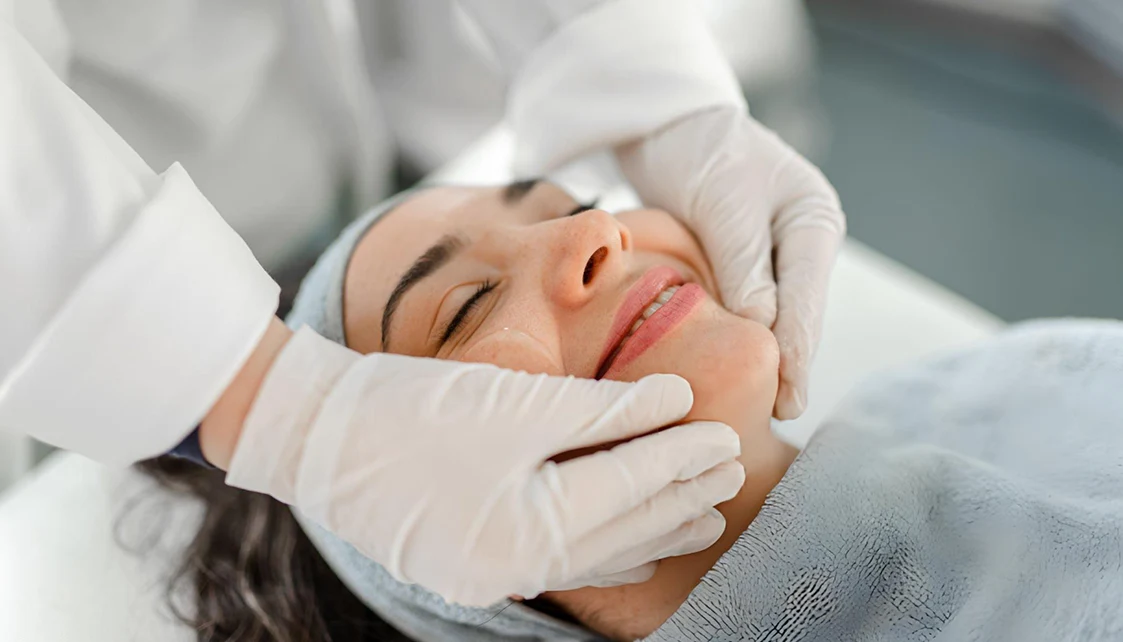
A HydraFacial is only as good as the assessment behind it. At Halcyon Medispa every treatment sits within a plan overseen by our Medical Director, Dr Osman Bashir Tahir, so the serums, add ons and frequency are chosen for your skin rather than taken off a shelf. It also means dull skin that is actually a treatable condition gets recognised, not just polished. You can read about the full experience on our patient journey page, and about the clinic itself on the clinic page.
Aftercare: making the glow last
The treatment does the heavy lifting, but a few small habits stretch your results noticeably:
- Skip heavy makeup for the rest of the day and let the skin breathe.
- Use a gentle cleanser and a good moisturiser for the next few days, and avoid strong acids or retinoids for around 48 hours.
- Wear SPF daily. Freshly exfoliated skin is more sensitive to sun, and sunscreen protects the brightness you just gained.
- Keep heat exposure moderate for 24 hours, so no sauna, steam room or hot yoga straight afterwards.
- Drink water. Hydrated skin starts from the inside, and the serums hold moisture better when you are not running dry.
- Book your next session before the glow fades if you are working towards longer term texture and congestion goals.
Frequently asked questions
How long does a HydraFacial last?
The visible glow from a single session typically lasts around five to seven days, and skin usually feels smoother for longer than that. Cumulative improvements in congestion and texture build across a course of monthly sessions rather than appearing after one.
Does a HydraFacial hurt?
No. Most people describe it as a cool, tingling sensation, a little like a light massage with a damp tip. The extraction step uses gentle vortex suction rather than manual squeezing, so it is comfortable even on sensitive areas.
How long does a session take?
A standard HydraFacial usually takes around 30 to 60 minutes depending on the add ons chosen, which makes it easy to fit into a lunch break or before an evening out.
How often should you have a HydraFacial?
For a one off glow before an event, a single session works well. For lasting improvements in texture, congestion and hydration, a session roughly every four to six weeks is the usual rhythm, confirmed at your consultation.
How soon before an event should I book?
Two to three days before is the sweet spot. Results are immediate, and that window lets any brief redness settle so skin looks its best on the day itself.
Can I wear makeup afterwards?
You can, but we recommend letting the skin breathe for the rest of the day where possible. Your skin will look naturally fresh after the treatment, so most patients are happy to skip foundation anyway.
Is a HydraFacial suitable for sensitive skin?
Often, yes, because the exfoliation is fluid based and adjustable. If you have active irritation, sunburn or a flare of a skin condition, we may advise waiting or choosing a different treatment. A quick consultation settles it.
Does a HydraFacial help with blackheads?
Yes, for the non inflamed congestion that makes up most blackheads. The vortex extraction lifts the plugs out of the pore without squeezing. The pores refill over the following weeks, so results hold best when the treatment is paired with a suitable home routine and repeated. Our guide to how to get rid of blackheads covers what works at home and when congestion needs a clinic.
Can I have a HydraFacial while pregnant?
Many people do, because the treatment is non invasive and uses no injectables. It still depends on your individual circumstances and on which serums are used, so tell us at consultation and we will adjust the plan accordingly.
Is a HydraFacial worth it?
It is worth it if what you want is a comfortable, reliable deep clean and hydration with no downtime, either before an occasion or as regular maintenance. If your priority is wrinkles, laxity or deep scarring, your money is better spent on a treatment aimed at those, and a consultation will point you to the right one.
Ready for your glow?
See the full treatment details or book a consultation at our Marylebone clinic.